No products in the basket.
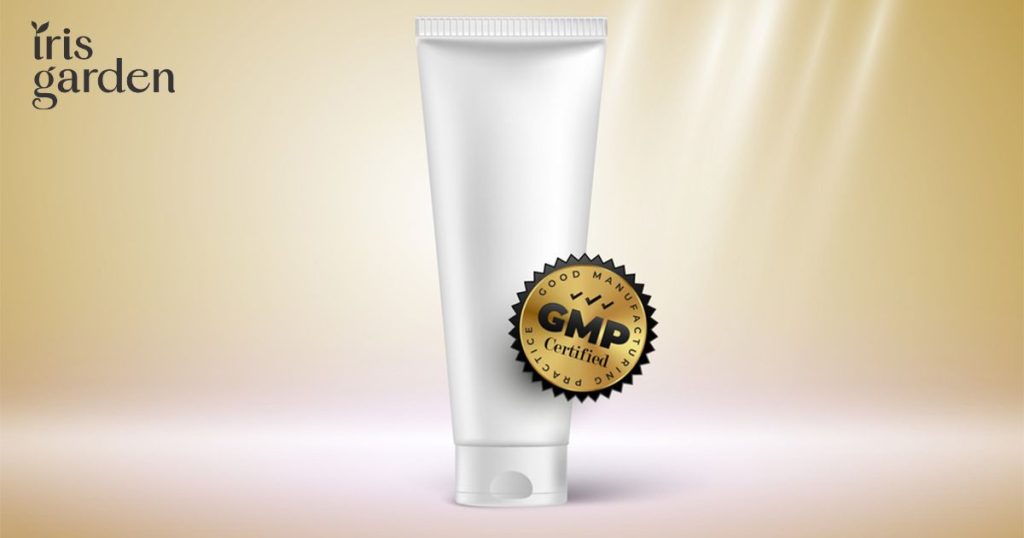
Today, consumers are increasingly mindful of the skincare they use. The reason is that people want products that deliver benefits safely. One key issue within this industry is that not all brands can meet these market needs. For example, there have been reports of items containing harmful materials, risking loss of consumer trust. Hence, achieving GMP certification is crucial to prevent this issue from recurring.
For that reason, it becomes a system that ensures every item in the market is safe before reaching the consumers. If you’re still new to the skincare game or want to deepen your knowledge, this is a must-read guide. The article will cover all key aspects of this topic. Then, let’s start by knowing its definition.
What is GMP certification?
GMP certification (Good Manufacturing Practices) is a set of rules that guide how products are made to ensure they’re consistently safe. This rule applies not just to the skincare market. In fact, it exists in the food and pharmacy industry as well. The main goal of this guideline is to prevent mistakes that could affect the product quality.
The question that arises now is “How does the rule stop the mistakes from happening?” You should know that manufacturers must follow strict procedures in many aspects. It ranges from sourcing materials to packaging the final product. Doing all of these helps reduce the risk of contamination, protecting consumers’ health.
The GMP certification focuses on cleanliness, accurate record-keeping, and trained staff. Every employee who makes the skincare items must understand the rules and follow them at all times. Firms must document every step. Thus, they must document ingredient checks, production steps, and quality inspections. Clear documentation makes it easier to trace issues and enables a quick fix.
Required standards for skincare products
Before going into specific details, it’s crucial to know that GMP isn’t just a certificate. It becomes a commitment for the firms to maintain the quality at every stage. Skincare products often contain materials that can be ruined without proper handling. This is why brands need to follow multiple checklists to ensure the final result is safe.
Even small production mistakes can have significant effects. Aside from reducing the safety, it can also affect the texture and shelf life. Obtaining GMP certification helps brands avoid these issues and build customer trust. However, they need to follow these standards below to achieve it. Let’s dive deeper into each of them.
Facility standards
This aspect requires that every production area remain clean at all times. This means the factory walls, tables, and tools must be washed regularly. The purpose is to prevent germs from affecting the quality of the items when consumers use them. Firms typically conduct regular checks to ensure standards are followed correctly.
Raw materials control
All materials used must come from trusted suppliers that provide high-quality ingredients. Before the production begins, every material gets a careful check to ensure it’s safe and consistent. This is where skincare brands should store them properly, such as keeping the items at the right temperature. Hence, GMP certification can be obtained by upholding the end product’s quality.
Staff training
Skincare brands need to ensure their employees get proper training. That means staff need to know how to handle materials, operate equipment, and follow the correct production steps. Firms typically hold regular training sessions to prevent errors. To make sure they get a complete understanding, giving solely written instructions is not sufficient. It’s essential to provide a practical demo to show employees the right way to do their jobs.
Challenges in achieving GMP certification
Getting the GMP certification can seem complex at first glance. This is especially true for new brands. The reason is that the process requires careful planning and investment in many areas. In addition, you need to remember that small mistakes can lead to the brand failing the audit test. That’s why every brand needs to approach the process carefully. Here are a few common hurdles skincare makers typically face:
- High cost to upgrade the factories to meet the standard
- Complex documentation that each brand needs to follow every day
- Continuous staff training to ensure everyone gets proper knowledge
- Handling sensitive materials safely during production
Purchase the best skincare products at Iris Garden
Getting the GMP certification is a crucial step for any skincare maker to earn the public’s trust. In this article, you have learnt all the key information about this topic. It ranges from key standards to common hurdles brands face in obtaining the certificate. Knowing all of them helps you select the right brand when making a purchase.
That’s why you should consider Iris Garden, where most of the products consist of 100% natural ingredients. Hence, you don’t have to worry if you have sensitive skin. The items don’t use harsh chemicals, making them suitable for many users. In addition, there are many products that you can select, from lotion to body scrub. All you need to do is go to the site and make a purchase now!