No products in the basket.
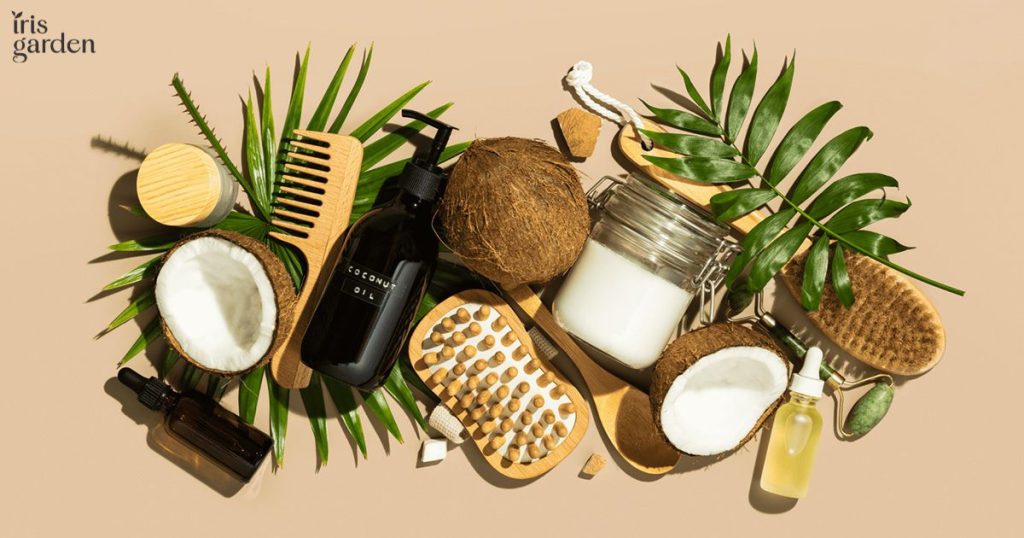
Over recent years, the term plant-based has taken over the world of skincare. It has since changed the way many people view beauty and health. People are now more and more conscious of what items may be in their skincare products. This is because they care for health or ethical reasons. It can also be because they want to lessen their skin contact with possible toxic elements.
In skin treatment, “plant-based” has come to mean a movement toward a milder approach. It is about adding new botanicals as options to harsh chemicals. Users no longer find natural-smelling products satisfactory. They want true botanical efficacy. It is essential to grasp the meaning and how it affects your skin before selecting the right products for your treatment.
What is plant-based?
Plant-based means something that comes or is made exclusively or mostly from plants. These can be extracts, oils, herbs, flowers, fruits, seeds, or even things obtained from trees. Initially, people used this term in the food and diet culture. It is a way to describe ways of eating or lifestyles that are centred around eating plants instead of eating foods produced from animals.
However, in the world of skin treatment, plant-based use is beyond just diet. The term refers to formulas where brands source most, and sometimes even all, of the items from natural botanical materials. This includes active elements that enrich the dermis with nature-inspired benefits.
That being said, the phrase “plant-based” does not necessarily indicate that a product is entirely natural or completely vegan. The term simply means that the company creates the formula primarily from botanical factors. Based on the brand and goals, the product may still use small amounts of synthetic or even some animal-based components. Typically, this is to improve the texture, preservation, or results of the products.
Plant-Based vs Vegan
Most people think plant-based and ‘vegan’ mean the same thing. Even though both stress the avoidance of animal-based elements, they are not the same. Their meanings differ essentially in how each of them approaches ingredient sourcing, product making, and overall brand value. Users need to know the difference before buying.
To regard a product as vegan, it needs to have no single animal-based ingredient. The meaning of vegan is strict, making no exceptions or partial compliances. If a product claims it is vegan, then all the items need to meet the standard rules, without compromise. Basically, it needs to be 100% made from plants. This is to help in assuring honesty and moral clarity on the buyers’ side.
On the other hand, plant-based focuses on the primary items being of vegetal origin. This kind of skincare product may still contain certain animal-sourced components, based on the brand. For instance, a face cream that contains mostly botanical extracts yet includes beeswax for texture is not vegan. Checking labels or brand certifications remains very important for these users who want fully ethical or animal-free products.
Is plant based 100% vegan?
The short answer: not always. A plant-based product can be mostly botanical and still contain small amounts of animal-based components. This process is all based on the brand’s goal, formula, or texture rules. This is precisely why it is critical to read item labels. Items that say “botanical-based” might have functional additives that are not vegan. Understanding these nuances helps users select products that correspond to their values and surface needs.
Plant-based is often a catch-all for marketing. In actuality, all it means is that producers dominate the making process with botanical materials. It does not necessarily mean that they keep animal-based materials out. Once you are aware of the differences, you are not going to be confused when selecting. It will also help you achieve a great-looking complexion. With this awareness, below is a list of several greenery-sourced products you may encounter. Although they are based on plants, you still need to watch out, as they do contain items from animal sources:
1. Beeswax
The most common non-vegan item in plant-based skin products is beeswax. Skincare companies usually add beeswax to thicken the balm, act as a stabiliser for the cream, and assist in forming the protective barriers of the dermis. Its natural properties make it very effective in lip balms and moisturisers. Many brands continue to include this ingredient, even while offering otherwise plant-forward formulas. This means users wanting fully vegan options always need to check for beeswax on labels.
2. Lanolin
Skincare companies often use lanolin, a waxy substance taken from sheep’s wool, due to its potent hydrating benefits. The blend could include lanolin in order to deeply hydrate, repair any cracked surface, and make the dermis even softer. As lanolin comes from animals, users who require only vegan products should avoid it. No matter how “natural” or “plant-based” the remainder of the blend may appear, you should always watch out and choose carefully.
3. Honey and Propolis
Users value honey and propolis in their skin support for their healing, soothing, and antimicrobial actions. Brands might add honey or propolis to provide additional hydration, to encourage dermis repair, or generally to care for your whole complexion. If you found a plant-based product mentioning honey and propolis as one of its items, it is not to be mistaken as vegan.
4. Collagen
Producers usually source collagen from animals, particularly fish or bovine materials, which by default makes it not vegan. Some products still include this form of collagen to enhance firmness, elasticity, and surface plumpness. Fortunately, companies now offer plant-based or “vegan collagen” options. However, many formulas will still use the traditional animal-sourced one. That is why vegan shoppers should check whether collagen is labelled “vegan.”
Plant-based skincare
Brands create plant based skin products from botanical extracts and elements. It is made without heavy reliance on synthetic or animal-based components. The main goal of this type of product is to provide the skin with all the nutrients from nature. Plants are used because they are rich in vitamins, antioxidants, fatty acids, and plant nutrients. These substances make a rich base for skin treatment that is both effective and mild.
Plant based skincare has many benefits. For one, if you use this type of product, your skin will be exposed to much fewer harmful toxins. At the same time, you are also creating healthier skin and body. This means that the treatment and care of your dermis will be eco-friendly. The key features of plant-based ingredients are as follows:
Natural care from vitamins, antioxidants, and minerals
One of the great strengths of plant-based dermis care is the natural nutrients from the botanical component. Plant extracts are naturally rich in vitamins A, C, and E; minerals; and antioxidants. These are the things that you need to help support dermis repair, brighten dullness, and protect against damage. Together, these nutrients help to enhance overall skin health independent of synthetic compounds. Many plant-based products can often deliver immediate benefits for the long term.
Lower risk of irritation, since plant ingredients are usually milder
Plant-based formulas exclude many harsh items. In general, this includes artificial fragrances and aggressive preservatives, which may be upsetting to sensitive or reactive surfaces. Many botanical elements, like aloe vera, chamomile, calendula, and oat extract, are specifically noted for their soothing, skin-calming benefits. Skincare based on plant extracts provides a better avenue for treatments that can deliver results without compromising epidermis comfort. Although reactions cannot always be ruled out, they are typically less likely than with heavily synthetic products.
Environmentally friendly formulas, often with biodegradable or sustainably sourced materials
Plant-based skincare often aligns with environmentally mindful practices. Many plant-sourced items come from renewable resources and are biodegradable. The eco impact that these products leave once rinsed off or discarded is much less. Brands that focus on plant-based products also tend to pay attention to sustainable harvesting, eco-friendly packaging, and ethical sourcing. This makes their product greener and more sustainable than those that rely on petroleum-based or animal-sourced materials.
Reduced chemical contact, minimising the chances of harmful reactions
Skin products of plant origin generally cut out synthetic chemicals, preservatives, and artificial additives that some users wish to avoid. It is rooted in naturally produced materials. It also reduces overall chemical contact and is more appealing among users who desire a cleaner beauty. Although the term “chemical-free” is misleading because everything is essentially a chemical, plant-based lessens the need for harsher synthetics. This may help reduce the risk of long-term sensitisation or redness on your complexion.
Examples of plant-based ingredients
Plant-based skincare relies on a wide array of plant sources that provide both cosmetic and healing benefits. These come from flowers, leaves, seeds, fruits, and even tree resins. Each has unique benefits that support the health of the skin. This makes them suitable for nearly every skin type, including sensitive and acne-prone dermis.
Apart from these surface benefits, plant-based ingredients are valued by many because they are sustainable. Others love them because they provide a cleaner skin treatment routine. Many users also like plant based products because most of them usually don’t have to be processed much. The shift toward botanical-based products supports the growing wish to use skincare that feels and is natural and mindful of the environment. Brands often use the following botanical elements. They include:
- Aloe Vera: An anti-inflammatory, it hydrates the derma as well as aids in the healing of damaged tissue or injury.
- Green Tea: An excellent source of antioxidants, which help prevent early ageing of the surface.
- Calendula: Known for its soothing and healing benefits, plant-based skincare makes an excellent choice for those who have sensitive skin.
- Chamomile: This reduces redness and irritation, offering mild antibacterial benefits.
- Rosehip Oil: High in vitamins A and C; excellent for brightening and renewal.
- Jojoba Oil: Closely emulates the skin’s natural sebum, hence very good for oil level balancing.
- Argan Oil: Provides intense hydration to the derma without clogging pores.
- Shea Butter: This deeply hydrates while providing soothing benefits.
- Witch Hazel: Controls oil and tightens pores to help reduce acne.
Improve your skin with plant-based products!
There is a growing trend towards offering users cleaner, healthier, and increasingly eco-friendly options. As a user, you need to understand the difference between plant-based and vegan products and learn about the helpful materials that you and your skin need. Once you do that, the next step is to find brands that promote transparency, like Iris Garden!
Iris Garden has developed products using plant-based materials and the most apt elements. This is all to enhance the natural benefits and ensure they are as effective as possible for an individual’s skin type. With their commitment to quality and effectiveness, they are the best choice for many skincare lovers. If you are looking for a trustworthy brand to entrust your skin to, now is an excellent time to elevate your daily treatment with Iris Garden’s carefully curated range!

Previous Article
Skin Barrier 101: Damage Signs, Healing, and MaintenanceNext Article
Skin Texture: Causes, Types, and How to Improve It