
No products in the basket.
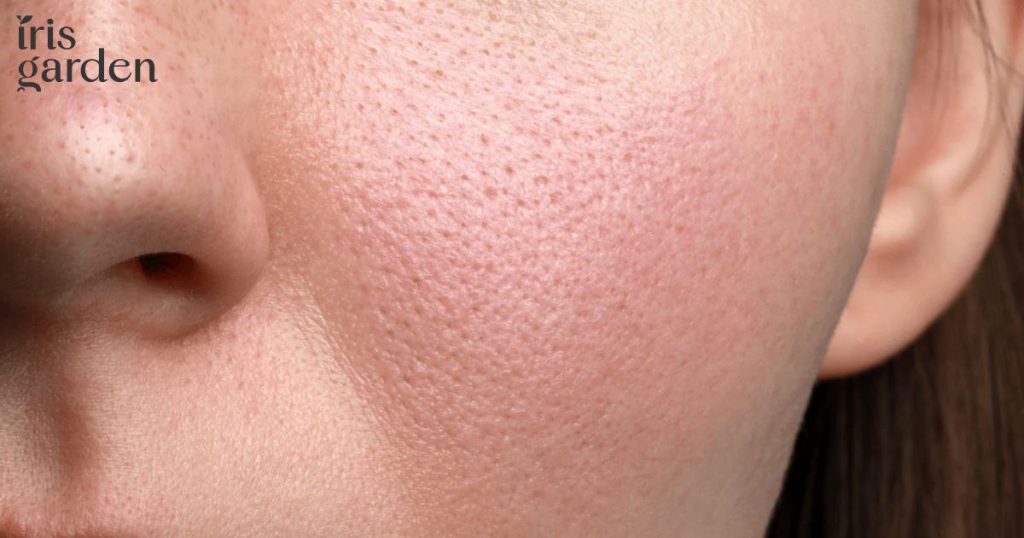
Skin texture describes how your surface feels and looks physically. It includes smoothness, softness, or even small visible pores. People care about it, as it can boost confidence and affect how makeup sits on the face. Smooth texture makes the complexion appear healthy. It also signals a strong barrier and good collagen support. That is why many try to improve it.
Texture problems appear as rough patches or flaky areas. You might notice bumps, large pores, or tight dryness. These issues are common for many skin types. In this article, you will learn why texture changes and what types exist. You will also see how to improve it with routines and vitamins. Later on, you will find what a healthy texture looks like.
Types and causes of skin texture
Skin texture does not change without reason. It reflects what happens inside your body and in your environment. Oil, dead cells, and keratin can create bumps or rough patches. Dryness leads to flakes and tight areas. Collagen loss makes the surface look uneven. Understanding these causes allows you to take the right steps to improve your texture over time. Genetics, sun exposure, hormones, and lifestyle habits all influence how your dermis looks and feels.
With that in mind, skin texture comes in many forms, depending on biology and daily behaviour. Some people have smooth, supple surfaces, while others notice bumps, flakiness, or fine lines. It changes with age, routines, and barrier health. Dermatologists classify texture based on how the surface feels and appears, according to the type, like oily or dry. Knowing your texture helps you understand your condition better and lets you take the best approach to improve it.
Smooth/Normal
Smooth or normal texture feels soft and velvety. The surface looks even, and light reflects in a uniform way. Pores remain fine and barely visible. Hydration stays balanced, so the skin does not flake or shine. It keeps elasticity through a strong barrier and healthy collagen. Blood flow gives it a natural glow that looks plump and fresh. People with this texture often need only simple care to maintain the balance.
Bumpy
Bumpy skin texture is one of those things people often overlook until every little raised spot becomes impossible to unfeel. It generally appears when pores or follicles fill up with keratin, dead skin or excess oil, causing tiny papules that sit unevenly across the surface. Keratosis pilaris is one of the most common culprits and often looks like clusters of 1 to 2 mm bumps on the arms, thighs or cheeks. Many think it’s just “rough”, but it’s a sign that the renewal cycle isn’t as smooth as it should be.
Acne and comedones can add to the texture by trapping debris inside pores, sometimes inflaming them into red bumps that leave behind marks or scars. Enlarged pores may also appear when oil production spikes, giving the texture a more uneven look. Weather, humidity and irritation can make everything feel rougher, which is why bumps come and go depending on how well the barrier is supported.
Rough/Dry
Rough and dry texture is one of those things many people overlook until flakiness, tightness, and dull patches start showing up like uninvited guests. This skin texture appears when the moisture barrier struggles to hold water in, causing dead cells to build up and leave the surface coarse instead of smooth. Eczema and ageing can intensify it by slowing down cell renewal and reducing natural lipids, making it feel crisp and dehydrated. The good news is that with organic moisturizer Sri Lanka, softness and bounce often return more quickly than expected.
Patchy/Uneven
Have you ever seen that your makeup is smooth in certain areas, while it looks flaky in others? Dermatologists explain this skin texture as an irregular surface pattern with mixed zones of dryness, oiliness, redness, or discolouration. Combination type is one of the most common reasons behind this. The difference between oil produced in your T-zone and cheeks creates a visible contrast instead of a seamless look.
In addition, rosacea, psoriasis and sun damage can also make the skin appear blotchy or inconsistent, each adding its own layer of redness, flaking or dark patches. UV exposure especially speeds up uneven pigmentation, which is why some people see freckles or melasma darken year by year. Environmental stress and genetics can heighten the contrast even more. The result is a complexion that does not reflect light evenly, appearing mottled rather than smooth and uniform.
Wrinkled
Wrinkled skin texture is the type that can make you look older than you feel. It feels thin, fragile, and finely lined, often on the arms, neck, or eyelids. This change quickens along with the decline of collagen and elastin naturally with age. UV exposure further breaks down elastic fibres, while rapid weight changes, dehydration, and smoking worsen their fragility. The result is an appearance that lacks bounce and looks delicate.
This texture shows up when the dermal matrix is damaged, and the skin loses its bounce. Genetics also play a role, with some people more prone to early wrinkles. The good news is that treatments like retinoids can stimulate collagen and gradually restore firmness and resilience over months.
What is the best way to improve skin texture?
The best way to improve skin texture is to treat it based on its type. No single routine works for everyone because roughness, bumps, dryness, and enlarged pores each form for different reasons. The goal is not perfect glass but rather gradual improvement through targeted care and consistency. Once you know whether your type is smooth, bumpy, dry, patchy, or wrinkly, you can choose the right approach that actually works.
Furthermore, consistency matters far more than chasing quick fixes. Skipping days or switching products constantly prevents real results. A steady, tailored routine strengthens the barrier, smooths rough patches, and helps pores look smaller. In this section, you will learn which strategies, products, and habits are most effective for each skin texture type. By following them consistently, you can make your appearance healthier, smoother, and more radiant.
Gentle cleanse and moisturise
A gentle cleanse followed by ceramide and hyaluronic acid-rich moisturiser is essential. Rough and dry texture responds best, as it restores lipids, reduces flakiness, and boosts hydration. Patchy or uneven textures also benefit from balancing dry and oily areas. With a bumpy or wrinkly one, one may see some support; however, relying solely on this treatment won’t give full results. Consistent use of chemical free skincare Sri Lanka twice daily in damp conditions keeps the barrier strong and improves overall texture.
Exfoliating with AHAs/BHAs at night
Exfoliating with AHAs or BHAs 2-3 times per week can improve skin texture; however, which one you choose matters. AHAs like glycollic and lactic acid are best for rough or dry types because they gently remove flakes and smooth the surface. BHAs like salicylic acid are ideal for bumpy, acne-prone skin since they clear clogged pores and reduce bumps. Avoid AHAs if yours are bumpy, and skip BHAs on dry or sensitive areas. Overuse can irritate the barrier and make dryness or redness worse, so follow with a barrier-friendly moisturiser and always use sunscreen.
Antioxidant in the morning
Vitamin C in the morning is a powerful way to improve skin texture, especially if you deal with patchy or uneven areas. A 10-20% serum neutralises free radicals from the sun and pollution, reducing oxidative stress and fading discolouration over several weeks. It works best for uneven complexion by calming redness and balancing dark spots. Wrinkled type also benefits from collagen protection; however, bumpy or rough one will see minimal improvement.
Retinoids or benzoyl peroxide
Retinoids and benzoyl peroxide can actively improve dermis texture; however, they are not for everyone. They work best on bumpy or acne-prone skin. Retinoids speed up cell turnover and stimulate collagen, while BPO clears bacteria and unclogs pores. Together, they flatten bumps and smooth KP or acne lesions within weeks. Wrinkled type also benefits from retinoids for firmness; however, BPO adds nothing here. Avoid both on dry, sensitive, or patchy/rosacea-prone skin, as they can irritate and worsen barrier function. Use only at night and start slowly.
Microneedling (RF/PRP) & Fractional Lasers (Fraxel)
These two treatments are very effective for improving skin texture, especially in bumpy and wrinkled areas. They work best for acne scars, keratosis pilaris, and fine lines by boosting collagen and elastin. They also reduce bumps and firm the skin. Fraxel smooths uneven surfaces and wrinkles well; however, it requires more recovery time. Thus, they are not recommended for patchy or sensitive skin with redness or pigmentation. Most people see significant smoothing and tightening after 3-6 sessions done a few weeks apart.
Best vitamins for skin texture
Skin texture is more than how smooth or rough your complexion looks. It reflects your barrier, hydration, and cellular health. Vitamins play an active role in improving appearance by boosting collagen, speeding cell turnover, and strengthening the barrier. Using the right vitamins can target specific texture issues for faster, visible results.
Not all vitamins work the same for every texture. Some excel on rough, dry, or bumpy types, while others help patchy or wrinkly areas. Here are more details!
Recommended vitamins for smooth texture
Topical application often works better than oral intake because it delivers higher concentrations directly to the skin. Knowing which vitamin suits your type maximises the results and prevents irritation.
- Vitamin A (Retinoids/Retinol): Smooths bumps and rough patches, boosts collagen 20-80%, and speeds cell turnover 2-3 times. Best for bumpy, wrinkly, or rough texture. It can reduce acne scars and KP papules. Not recommended for highly sensitive or patchy/rosacea-prone skin without supervision.
- Vitamin C (L-Ascorbic Acid): Fades patchy discolouration and stimulates collagen, improving firmness and plumpness. Ideal for patchy and crepey textures. May irritate bumpy or dry areas if used too strongly.
- Vitamin E (Tocopherol): Strengthens the barrier and hydrates dry, flaky surfaces. Works well with patchy redness and a rough skin texture. Helps reduce water loss and improve suppleness.
- Vitamin B3 (Niacinamide): Refines rough texture, minimises pores and bumps by up to 40%, and evens patchy redness. Great for a combination or a bumpy surface. Mild enough for rosacea-prone areas.
- Vitamin B5 (Panthenol): Deeply hydrates rough and dry skin, reduces inflammation in bumpy areas, and supports healing after exfoliation. Suitable across most texture types.
- Vitamin D: Promotes smoother cell turnover and strengthens barrier integrity. Ideal for rough or eczema-prone textures. Often needed in indoor lifestyles.
- Vitamin F (Essential Fatty Acids): Restores the lipid barrier to prevent flaking and balances patchy oiliness. Best for rough, dry, or uneven textures.
- Folic Acid (Vitamin B9): Supports cell repair and even turnover, improves hydration and barrier. Useful for bumpy or rough skin; however, they are less effective for patchy/crepey areas.
Transform your skin texture with science and heritage
Healthy, smooth skin texture is more than vanity. It reflects how well you care for your barrier, hydration, and cellular health. Whether you struggle with bumps, dryness, uneven patches, or early signs of wrinkles, understanding your texture is the first step toward improvement. With the right routine, actives, and vitamins, your complexion can regain balance and resilience over time.
To help you achieve that transformation, Iris Garden blends heritage with modern science. From Ayurvedic roots in Sri Lanka to clinically backed formulations, our products are designed to solve, restore, and protect your skin texture. Every ingredient is chosen for safety and sustainability. Take the step toward smoother, healthier skin. Visit our homepage or product page for more information.

Previous Article
Plant-Based Skincare 101: Start Your Routine!Next Article
Curly Hair Essentials to Make It More Defined