
No products in the basket.
Understanding Pore: A Complete Guide to Healthy Skin
18th of December 2025
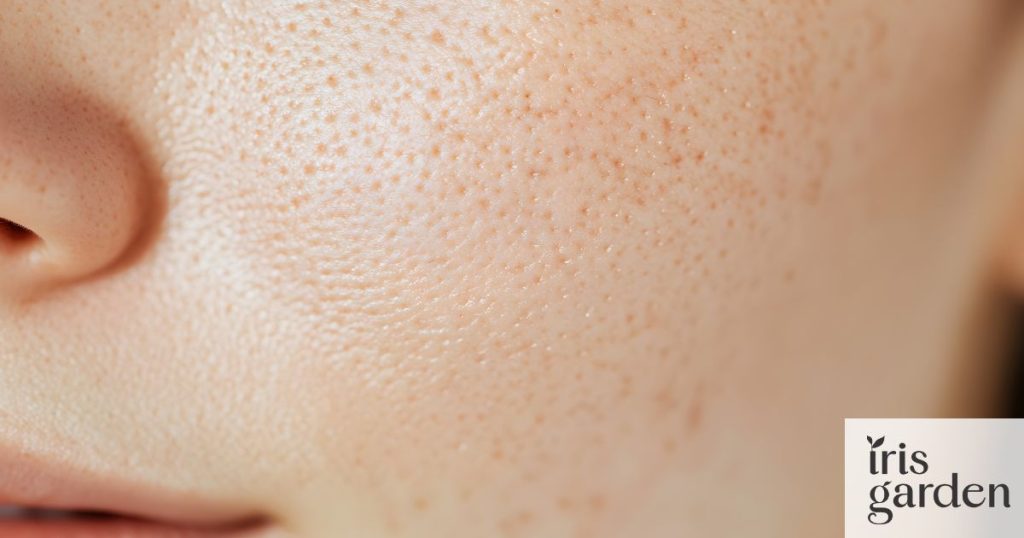
The pore plays almost every role in your skincare journey, and many are misinformed about how it works. In tropical climates like Sri Lanka, where humidity and heat are at their highest, along with daily sun exposure, correct treatment and care become all the more important. When your skin opening stays balanced, your skin stays clearer, smoother, and more comfortable.
Many skincare concerns are related to your skin not being properly cared for. Irritation shoots up when this traps sweat, oil, sunscreen, and pollution. Generally, in Sri Lanka, with warm weather, oil flow is more, and good care helps prevent congestion. With the right routine and plant-based products, you can treat your skin naturally and safely.
What is the definition of a pore?
A pore is a tiny opening in your skin that facilitates the release of sweat and maintains a natural moisture balance. Simply put, it’s an entrance to deeper parts of your skin. Every skin opening is connected to your oil and sweat glands. This allows sebum and sweat to reach the outer surface of your dermis.
Sebum and sweat are natural oils. They are there to protect your skin barrier from dryness. They do this by continuing to work throughout the day. From the moment you wake up until you are about to sleep, it helps release sweat. Naturally, the amount of sweat produced is higher during warm days or when you are doing active movement.
A skin pore is not a hole.
Some people describe a pore as a hole, but this is not fully accurate. In truth, it is an opening linked to a deeper system. You should not think of them as holes. This is bad because it can lead to wrong or even harsh treatments. Those treatments will then irritate your skin and damage the barrier.
Instead of a puncture or a dermis flaw, you should treat it as part of a larger and complex structure beneath the surface of your skin. They are not there to blemish or spoil your face. Instead, they exist to protect your surface, help it regulate sweat, and cool your body.
A huge mistake that many people make is letting their face and body endure harsh scrubs, strong alcohol toners, and strips in an attempt to close what they thought was a hole. This has to be corrected. If you nurture your pore rather than attack them, your skin adjusts better to heat and humidity.
Should you remove the pore?
You should not try to remove your skin openings. Even though you thought of it as a flaw, you absolutely should not remove the doorways of your dermis. This is because they serve vital functions. Removing them would harm your skin. You should instead improve their condition. Clean, balanced skin makes your face look smooth and healthy. Healthy skin openings also support stronger hydration and better texture.
Even though you dislike your skin texture and how your skin opening affects how you look, removing pore remains impossible. Rather than removing them, focus on supportive care. Many plant-based treatments can help you make them less noticeable by balancing oil production. These treatments can make your skin tighten slightly. Your complexion improves when your skincare works with your natural structure.
Ageing and its impact on skin appearance
Pore looks bigger with age due to collagen loss. Another factor is the effect of the tropical sun, which speeds up collagen decline. It is important to note that UV radiation decreases collagen and elastin production, which makes skin firm. This is why sun protection is essential in daily routines.
Lifestyle factors also influence their size. Again, long sun exposure can damage skin elasticity and make the skin opening appear larger. When this happens, your dermis will sag, stretch, and ultimately accelerate skin ageing. Other bad routines are wearing heavy makeup, cleaning your skin roughly, and not hydrating yourself enough.
Can you remove pore?
No, it cannot be removed. You cannot remove skin openings because your skin needs them. They protect the barrier of your dermis and regulate temperature. Any treatment that claims that is misleading you. You cannot erase them, yet you can reduce their appearance. Healthy skin openings blend smoothly with the rest of your skin.
Pore looks larger when they clog or stretch. However, you do not need to worry. Good skincare and a consistent routine can help prevent this. Cleansing and exfoliation can reduce damage. Hydration also helps them tighten slightly. When you support your skin barrier, your skin openings look smaller and smoother.
Best treatment for clogged pore
The best treatment for pore is gentle exfoliation. Exfoliation is the process of removing any dead skin cells from the surface of your dermis. This process is very helpful to make your complexion more radiant and less textured. Other than this, you can also try using natural acids or clay masks.
These treat clogged pore and improve the absorption of skincare products. Methods may be physical, through scrubs or brushes, or chemical, through acids such as AHAs/BHAs. All in all, it helps acne, dullness, and can fix an uneven skin tone. However, one needs to do it according to one’s skin type. Doing it wrong can damage skin.
Plant-based formulas work well for clogged pore. This is due to its nature of cleaning without stripping the skin’s openings. Plant-based skin products are naturally better than harsh products made by synthetic chemicals that can irritate. It is best to focus on steady, gentle care.
How often should I clean my face?
You should clean them every day with gentle cleansing. Once you are settled for the day and do not have to go out anymore, that is when you should clean your face. Daily cleansing removes sweat, sunscreen, and pollution. If you do it after you are done for the day, it is even better. That means you can also remove the remaining makeup that you wear.
Elements like sweat, makeup, sunscreen, and pollution are proven to clog pore quickly. This is particularly true in tropical climates like Sri Lanka. Washing your face with warm water keeps the skin fresh. Aside from washing, you can also do weekly exfoliation that supports deeper clearing. By doing this, you can avoid congestion without harming the barrier of your dermis.
For deep treatments, it can happen once a week. It is better not to do it every single day since that could result in over-cleansing your face. Over-cleansing harms your skin. Instead of treating your openings, it will instead increase oil production. In contrast, balanced care keeps your skin healthy. Focus on plant-based ingredients that support moisture.
Steps to minimise your skin opening
You cannot remove the pore. However, you can make them look smaller and less noticeable. To do this, you have to first understand what affects your skin’s opening. Factors like oil production and the accumulation of dead skin can make your skin opening look larger than it actually is.
A gentle, consistent routine can make them appear tighter and cleaner if done right. By keeping them clear of debris, controlling oil gland production, and improving the dermis’ firmness and elasticity, you can create a more refined and polished-looking complexion. Here are three essential steps to do it:
Deep clean with the right ingredients
To cleanse pore, use a mild natural face wash for oily skin in Sri Lanka. Make sure to use warm water (not hot water) to help soften the skin and make the process easier. In addition, use products containing salicylic acid (BHA) to break down oil and debris inside. You can look for plant-based products containing this for a more natural routine.
Strengthening skin with retinoids
After you finish the cleansing steps, the next step is to use retinoids. This step is done at night, after you are not going outside again and have settled for the day. Retinoids are best for boosting collagen production, which supports your skin’s walls and makes it firmer. It also reduces clogged pore, which in turn improves the texture of the dermis.
Daily protection
Wearing sunscreen every day prevents the sun’s UV radiation from weakening collagen and makes your skin look more stretched and bigger. To do this, you can add sunscreen to your skin routine, specifically one with SPF 30. For this type, it is recommended to choose a sunscreen with gel- or water-based ingredients.
Can vitamin C reduce skin openings?
Yes, it can. Vitamin C is a good ingredient for treating your skin, particularly your skin openings. It helps reduce pore visibility by improving the firmness of your dermis. It also supports collagen production. Stronger collagen tightens the skin. This tightening reduces how large your openings look. Moreover, it also protects your skin from sun damage. Sun exposure will stretch and sag your dermis over time.
If you are planning to add vitamin C to your routine, plant-based vitamin C serums are recommended. Serums with natural-derived ingredients offer many benefits. They brighten your complexion and reduce dullness. Some skincare brands out there have started using gentle sources of vitamin C in their products. This is a good development in tropical countries because this type of formula suits tropical climates.
Best ingredients for skin openings
Choosing the right skincare ingredients can result in a noticeable difference in how your pore look. Some ingredients are proven to help remove buildup inside your skin openings, while others strengthen the surrounding area so the openings look tighter and smoother. When applied consistently, they work together to refine texture and give a clearer, more even complexion.
There are also other active ingredients more helpful than those mentioned. They include oil control, exfoliation, hydration, or collagen support. You can achieve a minimised pore appearance, prevent congestion, and ensure a healthy skin barrier by using the right combination of products. Each ingredient below targets a different aspect of care:
- Niacinamide (Vitamin B3): Balances oil, strengthens skin, and improves texture.
- Retinol (Vitamin A): Boosts collagen, speeds cell turnover, and smooths skin.
- Vitamin C: Brightens complexion, regulates oil, and helps pore look smaller.
- Glycolic Acid (AHA): Exfoliates, removes dull cells for smoother texture.
- Hyaluronic Acid: Hydrates deeply and plumps skin openings.
Discover your solutions at Iris Garden!
Many people think skin openings cause acne. In truth, it only misbehaves when blocked. Remains of sweat, sunscreen, makeup, and dust can build up faster in humid climates and damage your skin. Understanding the scientific definition and other details helps you select products to treat them correctly instead of stripping them.
Iris Garden creates plant-based, 100% natural skincare designed for those who live in tropical climates. Every formula supports your pore with gentle botanicals that clean, soothe, and brighten without stripping. If you want calmer skin openings, smoother texture, and soft, fresh skin, Iris Garden offers natural solutions that truly work!